HAZMAT Suit Levels A Through D: Matching Protection to the Hazard
Written by Staff Writer | Edited by Michael Purser
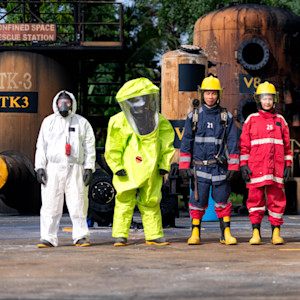
Choosing the right level of personal protective equipment (PPE) is always a balancing act, particularly when it comes to HAZMAT gear.
Too little coverage can expose workers to toxic vapors or splashes. Too much can lead to heat stress, slow the job down and drive up operating costs. The Occupational Safety and Health Administration (OSHA) advises that either too much or too little protection can be hazardous. You should aim to avoid both.
This guide explains the four PPE levels used at hazardous waste sites and in emergency response situations.
What Are the Four Levels of HAZMAT Protection?
Both OSHA and the Environmental Protection Agency (EPA) separate protective gear into four levels, labeled A through D. Level A is the most protective. Level D is the least. These categories are explained in Appendix B of the HAZWOPER standard, 29 CFR 1910.120.
Each level includes multiple pieces of gear to be worn at the same time. Each collection is referred to as an ensemble. It combines respiratory protection, protective clothing, gloves, boots and eye protection. The following chart breaks down the key factors to remember about the levels.
Level | Breathing | Skin and Eyes | Use When |
A | Self-contained breathing apparatus (SCBA) | Vapor-tight, fully encapsulating suit | Hazards are unknown or harm skin |
B | SCBA | Splash suit, not vapor-tight | Air is unsafe, but risk from skin exposure is low |
C | Air-purifying respirator | Splash suit | Known contaminants a filter can remove |
D | None | Work uniform, safety glasses | No air or splash hazard |
How Do You Know Which Level Fits the Hazard?
Picking the right level means you first need to understand the nature of the hazard. OSHA-compliant selections should be based on the substances present, their concentrations, the task workers will perform while wearing the equipment, how long the work lasts and site conditions. Sometimes, you can't know all the risks. In those situations, it is best to opt for a higher level of protection rather than a lower one.
Level A: The Highest Protection
Level A is rated for the most dangerous situations. It's also the go-to when you don't fully understand the dangers but suspect a significant risk of harm. According to Appendix B, you should choose Level A when:
- A substance has been identified that requires the highest level of safety for skin, eyes and lungs.
- There is a high chance of dangerous splashes, immersion, exposure to harmful vapors or exposure to substances that can be absorbed through the skin.
- Substances with a high skin hazard are known or suspected to be present.
- Work will be carried out in confined or poorly ventilated areas and the hazards are still unknown.
A miscalculation at this level of risk can result in major bodily harm, chronic injury or even death.
Level B: Less Skin Protection
Level B uses the same high level of respiratory protection as Level A. But Level B doesn't seal out gases and vapors from the skin. Each Level B suit protects against liquid splashes but is not vapor tight.
Level B is indicated for atmospheres containing less than 19.5% oxygen. It's also appropriate when vapors are present but are not expected to harm the skin. Level B is often the starting point for first entry into a hazardous site until air monitoring and hazard identification show a more complete picture of the situation.
Level C: Air-Purifying Respirators
Level C pairs Level B clothing with an air-purifying respirator that filters the air rather than supplying it. Since no independent source of breathable air is required, this results in a lighter, less cumbersome ensemble.
Level C is allowed only when contaminants have been identified and measured, a respirator can filter them, and skin contact is not a concern. Air-purifying respirators do not supply oxygen, so they are never used in oxygen-deficient atmospheres.
Level D: The Basic Work Uniform
Level D is essentially a work uniform that any construction or industrial worker is familiar with. It can include coveralls, safety boots, safety glasses or goggles and a hard hat. This standard of protection should be used only in the absence of atmospheric contaminants and for work that doesn't risk splashes or other contact with hazardous chemicals.
Understanding Breakthrough Times
No single material can block every harmful agent. Chemicals can pass through garment fabrics in three ways.
- Permeation: The chemical passes through the material at the molecular level, even when there are no holes.
- Degradation: The chemical weakens or breaks down the material until it is no longer an effective barrier.
- Penetration: The chemical gets through zippers, seams, pinholes, tears or other openings.
Breakthrough time is how long it takes a chemical to breach a material and reach the interior environment. When choosing chemical-resistant clothing, check the manufacturer test data for the exact chemicals on your site. A piece of equipment that can resist one type of solvent for hours may fail against another chemical almost immediately.
What if It Fails?
In case of a suit breach, the affected worker should immediately stop working, evacuate the scene and report for decontamination. Unexpected exposure might require a thorough eye flush, an emergency supply of oxygen or even a full scrub with neutralizing agents. All HAZMAT jobsites must be equipped with an appropriate number of suitably equipped decontamination stations for just such an occasion.
Changing Circumstances
Protection requirements may change during an operation. An acute emission, once remediated, may allow for a lower level of ensemble. The reverse may also be true. A worsening situation or the addition of an unforeseen hazard may require deployment of full Level A protection until conditions can be reevaluated. When in doubt, opt for a higher level rather than a lower one.
Standards for Protective Suits
Keep in mind that regulators don't certify suits or other gear. Instead, they require employers to select gear that suits predictable hazards and to train workers to use it.
There are some certification guidelines to be aware of, though. Respirators used at Levels A through C must be NIOSH-approved. For suits, OSHA's chemical protective clothing guidance refers to performance standards from the National Fire Protection Association (NFPA). These standards cover vapor-protective suits and liquid splash-protective suits. When purchasing equipment, look for items that comply with NFPA standards.
Can a HAZMAT Suit Protect You Against Radiation?
A properly constructed suit can protect you from some, but not all, sources of radiation. When used with a respirator, a chemical suit keeps radioactive dust and particles off your skin and out of your body. It also blocks alpha and most beta particles. However, it does not shield you from gamma or neutron radiation.
Gamma radiation is extraordinarily harmful and deeply penetrating. While safety equipment can augment your protection, the most important factors are exposure time, distance from the source and shielding.
How Long Can You Safely Wear a Suit?
There's no blanket timeframe for every situation and piece of gear. The amount of time someone can work in a suit depends on available air supply, ambient heat, workload, abrasion or friction and other variables.
Even general guidelines should be adjusted based on circumstances. For example, SCBA tanks are rated for a set number of minutes. Tanks can run out sooner during heavy work due to heavy breathing.
Managing Heat Stress
Fully encapsulating suits trap body heat and sweat. Protective gear can cause heat stress, physical fatigue, mental strain, limited vision, constricted movement and communication difficulties. In general, the higher the level, the greater the impediment and strain it causes.
To protect your team, you should:
- Set work and rest cycles based on temperature and workload.
- Provide shaded or cooled rest areas and plenty of water.
- Monitor workers' heart rates and body temperatures during breaks.
How Should Workers Put on and Take off Their Gear?
Donning and doffing gear are important steps in the safety process. When working with heavier suits, OSHA recommends maintaining a set gearing order and getting assistance from a trained helper. Entry routines, like inspecting suits for tears, checking zippers, verifying seals and testing respirators, save lives. Strict repetition makes it easier to master routines over time.
A surprising amount of exposure occurs as workers are removing gear. Before removal, workers should go through a decontamination process. Then they need to remove their gear in an order that keeps the suit's exterior away from the skin.
Can You Reuse Suits?
That depends. Heavier Level A suits are usually designed to be reused after decontamination and inspection. Lighter gear tends to be limited-use or disposable, and should be thrown away after any contamination or damage.
Why Training Matters as Much as Gear
The highest quality gear in the world can't protect you if you use it incorrectly. All types of HAZMAT suits have limitations. That's why HAZWOPER training covers how to select and use PPE, and how to understand its limits. This education is mandatory before workers ever enter a hazardous site.
We offer online HAZWOPER training that covers these topics and complies with regulatory requirements:
- HAZWOPER 40-hour training prepares workers who regularly suit up to enter areas with uncontrolled hazards.
- HAZWOPER 24-hour training is a better fit for workers with limited exposure to hazardous substances.
- The HAZWOPER 8-hour refresher helps trained workers meet the annual refresher requirement for this crucial standard.
We also cover this information for emergency response teams. Our guide to HAZWOPER emergency response training is a helpful resource. All courses are 100% online, so workers can train at their own pace.
Helping to Get Your Team Ready for Hazardous Work
We offer the highest-quality training in a convenient online format that you can depend on. Make sure your team matches the right gear to the appropriate hazard. Staying on top of compliance keeps them safe and avoids expensive mistakes.
We make it easy to train teams of any size. Our business compliance solutions include bulk discounts and an industry-leading learning management system that allows you to track progress across your organization with ease. Enroll your team today and give them the vital knowledge they need to stay safe.