
Understanding Safety Data Sheets: Purpose & Importance
Written by Staff Writer
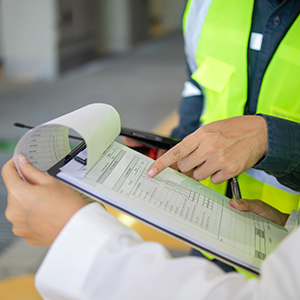
What is the purpose of Safety Data Sheets (SDS)? At first, they can look like basic, routine paperwork:
- A few pages in a binder
- A file on a shared drive
Most workers skim SDSs on routine shifts. Ever had a spill or splash turn the day sideways?
An SDS gives answers before trouble. What hazards are involved? What PPE should you use? What if it gets in your eyes? How should it be stored?
Those questions matter on ordinary workdays, not just during emergencies.
A painter opening a solvent. A maintenance tech cleaning machine parts. A lab student handling a corrosive liquid. A warehouse worker moving chemical containers. Each person needs the same thing before starting the job: They need to know what they’re dealing with.
Why SDSs Matter to the Occupational Safety and Health Administration (OSHA)
Before using a chemical, workers may need answers to a few practical questions. Could it release dangerous fumes in a closed area? Is skin or eye contact a concern? Some products require specific gloves or respiratory protection, while others create storage problems if they are kept near incompatible materials. Spill procedures matter too, especially in busy workplaces where people react quickly before fully understanding the health hazard.
Think of them as a chemical’s worksite instruction sheet. Not marketing copy. Not a guess. Not a label alone. They give deeper information about handling, storage, protective measures, first aid, firefighting and cleanup. Could two chemicals react because nobody checked storage guidance? Yes. Small assumptions can become serious incidents.
A strong SDS system is more than keeping documents on file. It depends on four habits:
- Accurate SDS documents
- Easy access for employees
- Training that explains how to use the information
- Consistent workplace practices
The Core Purpose of SDS
SDSs give workers practical chemical safety information before a product is used. They are part of OSHA’s Hazard Communication Standard, 29 CFR 1910.1200, which addresses chemical hazard classification and communication through labels, SDSs and employee training.
A good SDS helps answer one simple question: Can this chemical hurt someone and what should we do about it?
Identification of Hazardous Chemicals
This is usually the first thing workers need to understand. An SDS explains the main risks linked to a chemical or hazardous material.
An SDS can identify whether a chemical presents risks such as flammability, corrosivity, toxicity, irritation, reactivity or other hazards that workers should understand before use. Why does that matter? Because “cleaner,” “solvent,” or “adhesive” does not tell the whole story. Two products can look similar and behave very differently.
Safe Handling and Storage
An SDS also explains how to handle and store a chemical safely. That matters because many incidents start with ordinary tasks done too quickly.
Workers may need to check several details before using or storing a chemical:
- Ventilation needs
- Temperature limits
- Container requirements
- Incompatible materials
- Storage conditions
Exposure Controls and PPE
PPE should match the hazard, not just the habit. An SDS helps workers understand what protection may be needed for the task.
That may include several controls or protective items:
- Gloves
- Eye protection
- Respirators
- Protective clothing
- Local exhaust or other ventilation
First Aid and Emergency Response
What happens if something goes wrong? The SDS should help workers respond faster.
Look for information on the main exposure and incident categories:
- Inhalation
- Skin contact
- Eye contact
- Ingestion
- Spill, leak and fire response
Regulatory and Communication Value
SDS documents support hazard communication by putting key chemical information in a consistent format. OSHA’s mandatory SDS appendix identifies a 16-section structure for required SDS information, which helps workers find details faster.
Who Uses SDSs and Why They Matter
SDSs aren’t just for safety offices. They’re for anyone working around chemicals.
Pouring, transferring, storing or cleaning up a product? An SDS helps you make the smarter call before things go sideways.
Who needs them most?
- Workers using chemical products
- Supervisors planning the task
- Employers organizing safety procedures
- Emergency responders entering an incident area
- Students and new workers learning chemical safety basics
What happens when nobody checks the SDS before the job starts? Small gaps can turn into real problems, like the wrong gloves, poor ventilation or a spill response that makes the situation worse.
For Workers: Clear Information Before Chemical Exposure
Workers use SDSs to understand what they’re touching, breathing near or cleaning around.
A maintenance worker opening a solvent container may need to know:
- Whether vapors are harmful
- Which gloves resist the chemical
- What to do after skin contact
- Whether the product should stay away from heat
That information matters before the lid comes off, not after someone feels dizzy or notices a burn.
For Employers: Better Hazard Communication and Safer Procedures
Employers use SDSs to build safer work practices. They can use SDS details to shape:
- Chemical storage rules
- Spill response steps
- PPE selection
- Labeling habits
- Employee instructions
A warehouse storing cleaning chemicals, paint products and fuel containers needs more than a file folder. It needs a system that workers can actually use.
For Emergency Responders: Faster Decisions During Chemical Incidents
During a spill, leak, fire or exposure incident, responders need fast facts.
An SDS can help them identify:
- Firefighting precautions
- Spill containment methods
- First aid steps
- Chemical reactivity concerns
Would you want responders guessing what’s inside a leaking drum? Neither would they.
For Safety Teams: Better SDS Access and Management
Safety managers and compliance officers keep SDSs organized, updated and accessible.
Good SDS management means workers know:
- Where SDSs are kept
- How to read key sections
- When to stop and ask for help
That’s where practical workplace safety training can support stronger hazard communication habits. SDS are useful paperwork, but their real value shows up when people use them before the work gets risky.
Can Training Help Workers Use SDS Information Correctly?
SDSs only help when workers can find them, read them and apply the information to the task in front of them. A binder on a shelf or a digital folder nobody opens doesn’t protect much.
Before handling a chemical, workers should know four things:
- What potential hazards the product creates
- Which PPE makes sense for the task
- How the chemical should be stored
- What to do after a spill, splash, leak or exposure
That sounds simple. But on a busy shift, simple steps are the ones most likely to get skipped.
When Should Work Pause?
Supervisors and safety personnel need to know when chemical work should stop for a closer look. Pause the task when:
- The SDS is missing or outdated
- The container label doesn’t match the SDS
- Workers don’t understand the PPE listed
- Ventilation is poor or unverified
- Two chemicals may be incompatible
What’s the safer move: Guessing for five minutes or stopping before someone gets hurt?
Training Builds Better Hazard Communication Habits
SDSs support chemical safety, but they don’t replace safe work procedures, chemical labels, supervision or proper planning. They work best as part of a larger system that workers actually use.
Training can help workers connect SDS information to real workplace decisions, including PPE selection, storage practices, spill response and first aid steps.
OSHA Education Center offers workplace safety training that helps workers understand chemical hazards, hazard communication, PPE, emergency response and safe workplace practices. For workers and employers who want broader general industry safety education, we offer OSHA-authorized Outreach training through the University of South Florida, including OSHA 10-Hour General Industry training and OSHA 30-Hour General Industry training.
Protect Workers: Start Building Safer Chemical Practices Today
Online training gives busy teams a practical path forward. It is self-paced, available online and provides clear proof of completion after course requirements are finished.
Start today by strengthening the way your team reads, finds and applies SDS information. Better chemical safety begins before the container is opened.