
Everything You Need to Know About Being a Demolition Construction Worker
Written by Staff Writer
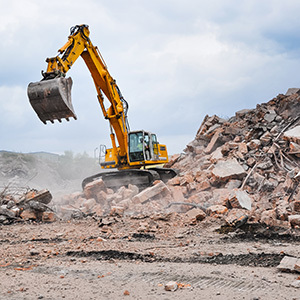
Have you ever watched a building fall down before? They can look strangely peaceful, even though a structure is getting destroyed. But don't let the calm, controlled execution of a perfect demolition make you think that they're easy, straightforward or safe.
Actually, a lot of planning goes into this type of work. Construction workers have to follow strict guidelines, and becoming an expert involves training and hazards you might not be aware of.
What is Demolition Work, Really?
Demolition means intentionally taking apart a structure or part of one. It can be big and dramatic, like bringing down an entire building.
Other times, it can be precise and controlled, like removing a single wall so a renovation can move forward.
Full Versus Partial Demolition Process
Demolition usually falls into two categories:
- With a full demolition, an entire building is taken down.
- Selective demolition means only certain elements are removed so new work can begin.
Can you imagine how the selective work type would be common during remodels and renovations?
Common Work Tasks
Typical work includes:
- Removing load-bearing walls or floors
- Cutting and dismantling concrete or structural steel
- Stripping interiors during renovations
- Clearing damaged or unsafe structures
- Preparing sites for new construction
Each task requires planning and control. That is what separates demolition from simple destruction.
Pay and Career Paths
According to the Bureau of Labor Statistics, the median annual wage in the construction industry for related jobs was $58,360 in May 2024. Actual pay varies widely based on location, experience, and specialty.
Many workers grow into different roles over time:
- Equipment operator
- Crew lead or supervisor
- Safety or compliance roles
- Contractor or project management
The right path depends on your comfort with risk, weather exposure, noise, and physical strain.
What Do Roles Typically Involve?
Day-to-day responsibilities often include isolating utilities, setting up exclusion zones, sorting debris, staging equipment and coordinating with operators and spotters. When the plan is good, the work feels steady and not chaotic.
A worker’s day can include:
- Setting up barriers, fencing and access zones
- Removing materials by hand or with machines
- Sorting debris for reuse, recycling or disposal
- Watching structural movement and reporting changes
- Keeping the site orderly and safe as conditions shift
What Are Common Methods?
Most projects fall into a handful of approaches, and each one changes the hazards and training needs. The big difference is whether material is being taken apart in a controlled sequence or being pulled down with equipment.
Here are some of the main methods crews run into most often:
- Interior demolition with strip-out and selective removal
- Mechanical teardown with excavators, loaders and attachments
- Structural demolition, including steel and concrete components
- Controlled collapse planning for larger structures
- Deconstruction for reuse and waste reduction
Controlled Collapse Planning
Wondering how controlled demolition plays a role? Most involve sequencing and containment, rather than movie-style implosions.
Even when explosives are not involved, controlled collapse planning still demands the same mindset:
- Establish the collapse zone
- Control access
- Confirm signals
- Be present and aware for every pull
What is the Difference Between Wrecking and Deconstruction?
Wrecking is focused on speed and removal. Deconstruction is focused on disassembly, salvage and minimizing waste.
Deconstruction can reduce struck-by risk from uncontrolled collapse because materials are removed in smaller, planned chunks. It can also introduce new hazards, like more frequent tool use, more manual handling and longer exposure to dust, noise and sharp edges.
Relevant Standards from the Occupational Safety and Health Administration
This work falls under construction standards from the Occupational Safety and Health Administration (OSHA). The specific rules live in Subpart T.
These rules cover the realities crews actually face in the field, including:
- Pre-job planning and site prep
- Limits on mechanical removal
- Ongoing inspections as the structure changes
Federal Standards for Preparation
OSHA’s core rule is straightforward: Do not start until the structure is understood.
Before any work begins, a competent person must complete an engineering survey. The survey evaluates collapse risks and documents that the review was performed.
In real life, this survey is where teams uncover:
- Load paths and weak points
- Hidden damage inside walls or floors
- Nearby structures that may become exposed
Struck-By Hazards and OSHA Guidance
Work like this is a constant struck-by environment. Material is falling, shifting, swinging, rolling and being moved by equipment all day.
OSHA groups struck-by hazards into a few main categories:
- Vehicles and mobile equipment
- Flying or falling objects
- Moving machinery and attachments
A golden rule: If someone is inside the fall zone, nothing moves. Sounds obvious, but under pressure, rules and common sense can get forgotten, especially if crews are lacking in struck-by hazard training for construction environments.
Permits, Demolition Contractors and Site Clearance Basics
Permitting and contractor requirements are set locally and vary by city, county, state and project scope. Some jobs may require a local permit, and the permit process often forces the project team to document utilities, site conditions, traffic control and debris handling. Most projects require:
- A permit from the local authority
- A licensed or qualified contractor
- Utility disconnections and environmental checks
- A defined plan for site clearance and hazardous materials
Cleanup matters as much as teardown. Site clearance includes removing remaining debris, stabilizing surfaces and preparing the area for the next phase of work.
What Actually Helps Crews on Real Jobsites?
Most workers start in general construction. Remember that skills build over time, not overnight. A strong baseline comes first, then job-specific training fills in the gaps.
Because it is construction work, some projects, employers and jurisdictions require OSHA Outreach training (10-hour or 30-hour). Federal OSHA does not require Outreach cards, but many contracts and some state/local laws do.
OSHA Education Center delivers OSHA-authorized Outreach training through the University of South Florida. Did you know that OSHA itself does not certify workers or approve individual training programs?
Two courses cover most roles:
- OSHA 10-hour Construction for entry-level workers
- OSHA 30-hour Construction for supervisors and safety leads
These are simple, clear and widely accepted.
Final Thoughts for Real Construction Workers
Need a plan forward? Start with a baseline Outreach course. Add focused refreshers as new hazards appear.
Why? Because understanding the work, the tools and the rules reduces surprises. Fewer surprises mean safer days, stronger crews and more confidence on the job. Everyone wants to contribute to overall worksite safety.