
Minimizing Asbestos Exposure Risk Through Certified Site Inspection and Regulatory Compliance
Written by Staff Writer
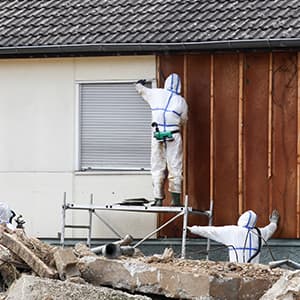
The overview of the asbestos abatement process involves certified professionals conducting site inspections to ensure that asbestos abatement procedures minimize asbestos exposure risk and comply with all relevant asbestos regulations while targeting asbestos-containing materials for safe removal.
Steps for Effective Asbestos Abatement
Asbestos abatement involves a controlled multi-step process to ensure safety and compliance.
Conduct a Comprehensive Site Assessment
Identify all asbestos-containing materials (ACM) and evaluate their condition.
Implement Sealing and Containment Measures
Use fire-retardant polyethylene sheeting to seal openings and establish negative pressure to prevent dust spread.
Utilize Wet Methods for Removal
Saturate asbestos materials with amended water to minimize airborne fibers during removal.
Follow Proper Waste Handling Procedures
Place asbestos waste in leak-tight containers and label them appropriately for disposal.
Conduct Continuous Air Monitoring
Monitor fiber levels throughout the process to ensure they remain below permissible limits.
Perform Final Clearance Inspections
Conduct visual inspections and air sampling to confirm the area is safe for reoccupation.
Sealing and Containment Measures for Asbestos Abatement
Sealing and containment measures are essential to prevent dust spread during asbestos abatement. These measures ensure that asbestos fibers do not escape into the surrounding environment, protecting both workers and the public.
Measure | Approach | Scope | Timeline | Cost | Risk |
Sealing Openings | Use double layers of fire-retardant polyethylene sheeting | All vents, doorways and windows | 1-2 days | Moderate | Potential for incomplete sealing |
Negative Air Pressure | Install HEPA-filtered units | Containment zone | Ongoing during abatement | High | Failure to maintain pressure |
Decontamination Unit | Three-stage system for workers | Equipment room, shower room, clean room | 1 day setup | Moderate | Improper use can lead to contamination |
Regular Inspections | Conduct smoke tests | Throughout the abatement process | Daily | Low | Missed breaches in containment |
Pro-Tip: Start by contacting your local building or environmental health department. Ask for all rules and permits needed for asbestos removal. Each city or county may have different requirements and fees. Some areas need licensed contractors or special disposal methods.
Failing to follow these rules can lead to fines or project delays. Get written estimates from several certified abatement companies. Ask them to break down costs for permits, labor and disposal. This helps you compare prices and avoid hidden fees. Always keep copies of permits and receipts for your records.
Protective Gear Requirements for Asbestos Abatement Workers
Protective gear is essential for asbestos abatement workers to ensure safety and health. The right equipment minimizes exposure to hazardous fibers and prevents environmental contamination.
Workers must wear a full-face respirator with P100 filters during asbestos abatement procedures.
This personal protective equipment usage helps prevent the release of asbestos fibers. Asbestos abatement is governed by asbestos regulations and certified professionals perform asbestos removal to ensure regulatory compliance. In some cases, powered air-purifying respirators (PAPRs) may be required for added protection when handling asbestos-containing materials.
Disposable coveralls made from impermeable materials are mandatory. These coveralls should fit snugly to prevent any fibers from penetrating. Workers should also wear gloves and boot covers to protect their skin and footwear from contamination.
Eye protection is crucial as well. Safety goggles or face shields should be worn to shield the eyes from dust and debris. Additionally, hard hats may be necessary in certain work environments to protect against falling materials.
Decontamination protocols must be strictly followed. Workers should use a three-stage decontamination unit when exiting the work area. This includes an equipment room, a shower room and a clean room to ensure no asbestos fibers leave the site.
Regular training on the proper use of protective gear is vital. Workers should be familiar with the gear's limitations and maintenance requirements. This training helps ensure compliance with safety regulations and enhances overall safety during the abatement process.