Achieve OSHA-Compliant Fit Tester Status with Verified Competency and Proper N95 Respirator Fit
Written by Staff Writer
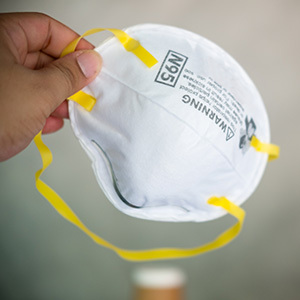
This page highlights N95 fit testing certification online, offering the N95 fit tester credential. The training covers key subjects such as the importance of a proper fit, various fit testing methods and the responsibilities of employers and employees in maintaining safety.
Completing this course equips participants with essential theory and readiness for practical use in real situations.
Online Certificates Do Not Replace Physical Fit Tests
These tests are critical for regulatory compliance and maintaining safety standards in the workplace.
Physical fit testing is a hands-on process that verifies whether a respirator forms an adequate seal on the user's face. This is crucial because even the best training cannot guarantee that a respirator will fit correctly without actual testing. Here are key points to consider:
Testing Protocols
N95 fit testing uses qualitative or quantitative methods to assess effectiveness. Qualitative approaches depend on the user's detection of a test agent for pass/fail outcomes, while quantitative methods measure leakage levels.
Annual Requirement
Workplace safety rules require an annual fit test to physically verify the proper seal of any tight-fitting mask before use, meaning online certificates do not replace in-person testing. Additionally, testing is needed yearly or after changes in the user's physical condition, such as weight fluctuations or dental work, that might affect the fit.
Health Evaluation
Before fit testing, individuals must complete a health assessment to confirm they can safely wear the mask. A health evaluation is generally required to ensure individuals are physically able to wear the mask and perform their duties safely.
Employer Responsibility
Employers must provide various mask models and sizes so employees can find a proper fit, which cannot be guaranteed through remote training alone.
Hands-On Practical Evaluation Required by OSHA
Building on the importance of physical fit tests, OSHA mandates a hands-on practical evaluation to ensure that N95 respirators provide adequate protection. This evaluation is essential for verifying that the respirator fits properly and functions as intended in real-world scenarios.
Evaluation Type | Approach | Scope | Timeline | Cost | Risks |
Qualitative Fit Test | Pass/fail based on user detection of test agent | Simulates daily activities with exercises | Typically completed in 30-60 minutes | Low cost, often under $100 | False negatives if user cannot detect agent |
Quantitative Fit Test | Measures actual leakage using specialized equipment | More precise, suitable for various respirator types | Usually takes 30-90 minutes | Higher cost, ranging from $100 to $300 | Requires trained personnel and equipment |
Employer-Administered Practical Evaluation | Hands-on training with real respirators | Ongoing, with annual re-evaluations | Varies based on training resources | Inadequate training can lead to improper use |
These evaluations are critical for ensuring that employees are equipped with the necessary safety training to use N95 respirators effectively. By understanding the differences between qualitative and quantitative fit tests, employers can make informed decisions about the best approach for their workforce's protection.
Understanding the Difference Between Online Training and OSHA-Compliant Fit Testing Certification
Following the emphasis on practical evaluations, it's crucial to distinguish between online training and the certification required for OSHA compliance. While online courses provide valuable theoretical knowledge, they do not equate to the hands-on experience necessary for effective respirator fit testing.
However, these courses primarily focus on classroom instruction and may not include the practical components mandated by OSHA. Here are key differences to consider:
Practical Application
Certification that meets safety standards requires hands-on evaluation, which cannot be done through remote training. This includes performing user seal checks and confirming that respirators fit properly in real situations.
Regulatory Requirements
Completing a remote course alone does not fulfill the need for an in-person fit assessment, which is essential for compliance. Employers must ensure employees complete actual fit evaluations to confirm proper protection.
Certification Validity
Although remote training may provide proof of completion, it does not replace a valid fit evaluation credential. Employers are responsible for ensuring fit assessments are performed and documented according to guidelines.
Training Scope
Remote courses often cover many topics but may lack the practical experience necessary to properly implement a respiratory protection program at work.
Medical Evaluation Needed Before Fit Testing or Use
As we transition from understanding the importance of practical evaluations, it is essential to highlight the necessity of a medical evaluation prior to fit testing. This step is crucial for ensuring that individuals are physically capable of wearing a respirator safely and effectively.
A medical evaluation is a formal assessment that determines an individual's mask suitability based on their health status. This evaluation typically includes a questionnaire or a physical examination conducted by a qualified healthcare professional. Here are key points to consider regarding the medical evaluation process:
Health History Review
The evaluation checks for any existing conditions, like respiratory or heart issues, that might affect the person's ability to use a respirator.
Meeting Safety Standards
Employers must ensure employees are cleared to wear respirators before the fit test, which is crucial for workplace safety.
Certification Confirms Competency
Completing this evaluation confirms readiness to use a respirator and is required before earning the certification that verifies skill in respiratory protection.
Follow-Up Evaluations
Periodic re-evaluations may be needed if health changes occur or if factors like weight shifts or dental work could affect the fit.
In summary, a thorough medical evaluation is a critical step before fit testing, ensuring that individuals are not only compliant with safety regulations but also capable of using respirators effectively in their work environments.