
Training Requirements for High-Heat Environments
Written by Staff Writer
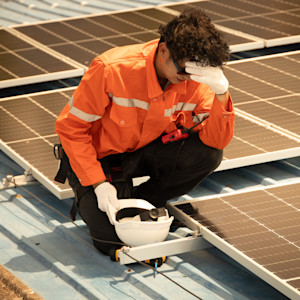
Rising temperatures can quickly turn a normal workday into a serious health risk. When heat from the environment combines with physical labor and the insulating effects of protective clothing or personal protective equipment (PPE), workers can face a spectrum of illnesses that range from uncomfortable to deadly.
Preparation, early recognition and appropriate response keep hazards under control. Proper education also equips workers and supervisors to spot warning signs and step in quickly to treat heat-related illness before it becomes an emergency.
Whether your team spends shifts outside under the sun or inside near hot equipment, managing exposure is a must for worker protection and regulatory compliance.
What Is Heat Stress?
When the body cannot adequately cool itself in a hot environment, your core temperature rises, triggering physiological strain that can become dangerous if left unchecked.
A farm field under the summer sun, a warehouse loading dock without adequate air movement, a commercial kitchen with multiple ovens running or a roofing worksite under direct sun are everyday environments where temperature-related stress and illness can occur without proper controls and training.
Left untreated, heat stress can quickly turn into heat stroke. This is a medical emergency that can cause permanent organ damage or death.
The Bureau of Labor Statistics (BLS) Census of Fatal Occupational Injuries recorded 436 heat-related deaths in U.S. workplaces between 2011 and 2021, with thousands more illnesses reported annually. The good news is that most heat-related ailments can be prevented with the right protocols.
OSHA’s Position on Training
While OSHA does not impose a nationwide, stand-alone heat standard, the administration actively enforces safety under the General Duty Clause of the OSH Act. This requires employers to provide a workplace free from hazards likely to cause death or serious harm, which includes excessive temperatures.
In 2022, OSHA launched its National Emphasis Program on Outdoor and Indoor Heat-Related Hazards, highlighting increased inspection activity and using education as a key prevention tool. Under this program, compliance officers focus helping employers implement measures to prevent illness, including training.
Beyond recommended training, OSHA also continues to advance federal rulemaking. The administration proposed a new standard in 2024 to spell out employer obligations for keeping employees safe from high temperatures.
State-Specific Requirements
Some states go beyond OSHA’s guidance and set their own requirements, including mandatory training and controls for heat exposure.
California, Oregon and Washington all require employers to offer heat illness prevention training, written programs or plan elements, and access to drinking water and shade. They also enact extra protections when temperatures reach set thresholds, including added procedures for rest periods or cool-down breaks.
These state requirements show that worker protection rules can be more specific and enforceable than general federal guidance. Be sure to check with your employer or local government to find out if your state has any additional worker protections.
Heat Stress Training Guide
Proper training gives workers clear steps to protect themselves on the job and identify symptoms in colleagues. A strong course usually covers four core topics.
1. Understanding Heat and the Body
Education starts with understanding the basics of how your body cools itself. You maintain an ideal body temperature by sweating and causing a flushed appearance by sending more blood to the upper layers of your skin.
Those mechanisms rely on evaporative cooling. When humidity climbs, or when you have limited airflow or no air conditioning, that internal cooling system stops working as well, and the risk of illness rises quickly.
2. Acclimatization Protocols
Training should also explain why the first days on the job or the first days back after time off carry the highest risk, as your body needs time to adjust to working in higher temperatures.
Most programs stick to a one- to two-week acclimatization period. Exposure and workload increase gradually. Learn how to pace that increase, how supervisors should monitor new or returning workers and what warning signs to watch for.
3. Recognizing Signs and Symptoms
Spotting illness and taking appropriate action early is more effective than responding to emergencies. Courses typically categorize symptoms into four broad ailments:
- Heat cramps. These pains arecharacterized by painful muscle spasms during or after work.
- Heat rash. This irritation shows up as red, itchy bumps on the skin, often in areas where sweat collects.
- Heat exhaustion. Symptoms include dizziness, nausea, cool skin and weakness.
- Heat stroke. This critical illness causes confusion, hot skin and heavy sweating. Without treatment, it can lead to loss of consciousness and death.
Once identified, workers will learn how to report symptoms and begin administering cooling methods immediately.
4. Emergency Response
Coursework should cover effective actions to take if someone gets sick. This includes protocols such as:
- Moving the person to a cooler area, such as a shaded or air-conditioned space.
- Lowering body temperature gradually using cool water, ice packs or fanning.
- Deciding when to call emergency medical services based on symptoms and alertness.
- Following your site’s communication and reporting steps.
Once symptoms are apparent, quick action is necessary to prevent a medical emergency.
Who Needs to Be Trained
Employees should receive heat stress training if they work in any environment where heat stress is a likely hazard. Training should be provided before exposure begins, not after. Do not wait for a heat wave, as risk starts the first day temperatures spike.
Outdoor Roles
Focus first on roles in which employees work outside and may spend long stretches in direct sun, especially:
- Agricultural and farm workers
- Construction laborers and roofers
- Landscapers and groundskeepers
- Road and utility crews
- Waste collection specialists
If a job involves any kind of sustained outdoor work during warm months, include it in this group.
Indoor Roles
Indoor roles can be just as dangerous, so be sure to educate employees who work in hot areas, including:
- Warehouse and distribution staff
- Foundry and steel workers
- Manufacturing personnel working near furnaces or ovens
- Welders
- Commercial kitchen staff
- Laundry facility workers
- Boiler room operators
As a rule of thumb, if the work area lacks ventilation, includes heat-producing equipment or requires heavy PPE, treat training as a priority.
Supervisors and Managers
Not all supervisors spend shifts working in high-risk areas, but it is still essential that they receive proper training to keep crews protected. Make sure supervisors, foremen, safety coordinators and managers know how to:
- Plan work schedules around daily temperature fluctuations.
- Monitor workers for early signs and symptoms.
- Enforce water breaks and rest periods.
- Implement emergency response plans.
When supervisors know what to watch for and respond, workers are more likely to feel supported and speak up sooner. That creates safer outcomes during hot days.
Stay Ahead of the Heat
OSHA Education Center offers an OSHA-aligned Heat Stress course online. Content covers everything from acclimatization science to emergency response.
Workers can complete training from any internet-connected device at any time. This flexibility is especially valuable for seasonal workers who may start mid-summer and need immediate training.
Proactive training protects workers and demonstrates a commitment to workplace safety. Review our training options today and enroll your team ahead of hot weather.