Mastering Hand Gestures for Crane Operation to Ensure Safe Load Positioning and Team Coordination
Written by Staff Writer
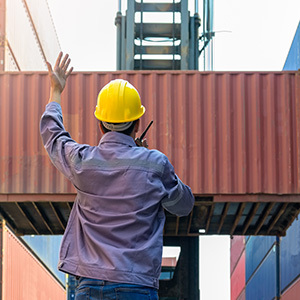
This page focuses on crane signals, which communicate crane operations through specific gestures that indicate commands like lifting, lowering or stopping the load. Mastery of these signals is vital for maintaining safety and ensuring clear communication on construction sites.
Only One Signaller Should Direct Crane Load Movements
Building on the importance of clear communication, it is crucial to establish that only one signaller should direct crane load movements. To minimize confusion and enhance safety, only one person should give signals to a crane or derrick at a time, although anyone can give an emergency stop signal. This practice minimizes confusion and enhances safety during operations.
The designated signal person is responsible for providing clear and consistent instructions to the operator. This singular focus ensures that the operator receives unambiguous commands, which is vital when maneuvering heavy loads. If multiple individuals attempt to give signals simultaneously, it can lead to miscommunication, potentially resulting in accidents or injuries.
In practice, the individual directing crane movements should be qualified and acknowledged by the operator before any gestures begin. This qualification usually includes instruction in common hand signals and knowledge of the crane's functions. For example, if the operator's view is blocked, the director should keep a clear line of sight and employ clear gestures to ensure safe crane operation.
Moreover, in emergency situations, while anyone can initiate an emergency stop signal, the routine operations should always be directed by the appointed signal person. This structure not only streamlines communication but also reinforces accountability, ensuring that all team members are aware of who is in charge of directing the crane's movements.
Arm Extended, Fingers Closed and Moving Downward in a Patting Motion
The signal of an arm extended, fingers closed and moving downward in a patting motion is a clear indication to the crane operator to lower the load safely.
This gesture is crucial for compliance with regulations, as it ensures that all personnel on site understand the intended action. When executed correctly, this signal minimizes the risk of accidents by providing a straightforward visual cue that is easily recognizable from a distance. The patting motion reinforces the action of lowering, making it unmistakable for the operator, even in noisy environments.
In practice, the signal person should maintain eye contact with the crane operator while performing this gesture. This connection is vital, especially when the operator's view may be obstructed.
Additionally, in emergency situations, the signal person must be prepared to switch to an emergency stop signal, which involves both arms extended horizontally, palms down, swinging back and forth. This signal overrides all others and can be initiated by anyone who perceives immediate danger, ensuring that safety remains the top priority during crane operations.
Pre-Lift Discussions Align Voice and Hand Signals
To ensure effective communication during crane operations, pre-lift discussions are essential for aligning voice and hand signals. These discussions help clarify roles and expectations, reducing the likelihood of miscommunication during the lift.
Approach | Factors | Scope | Timeline | Costs | Risks |
Standardized Signals | Use of recognized hand signals | Applicable across various crane types | Immediate implementation | Low (training costs) | Misinterpretation if not trained |
Voice Communication | Clear commands with direction and speed | Specific to the lift scenario | Before each lift | Minimal (part of training) | Noise interference may hinder clarity |
Visual Aids | Charts or posters for reference | Enhances understanding of signals | Preparation phase | Moderate (printing costs) | Dependence on visibility |
These pre-lift discussions ensure that the equipment operator and signal person share a clear understanding, improving safety and efficiency. By agreeing on the gestures to be used, teams can effectively coordinate heavy equipment movements, reducing risks from miscommunication.
Ensuring Consistent Implementation of Standardized Signals for Cranes Across Regions and Employers
This consistency helps bridge communication gaps that may arise due to varying practices in different locations or companies.
To achieve this, organizations should adopt industry-standard guidelines, such as those set by OSHA or other relevant authorities. These standards provide a framework for the signals used, ensuring that all personnel, regardless of their location, understand the same commands. For instance, a signal for "hoist" should be universally recognized, allowing operators to respond appropriately, even if they are new to a site.
Training programs must be established to educate all team members, including signal persons and operators, on these standardized signals. Regular refresher courses can help reinforce knowledge and address any changes in procedures or regulations. Additionally, using visual aids, such as posters or reference charts, can enhance understanding and retention of these signals, especially in environments where heavy equipment is in operation.
Moreover, fostering a culture of open communication encourages workers to ask questions and clarify signals when in doubt. This proactive approach not only enhances safety but also builds confidence among team members, ensuring that everyone is aligned in their understanding of crane operations.
By prioritizing consistent implementation, organizations can significantly reduce the risk of accidents and improve overall operational efficiency.
Signaller's Guide to Crane Movements When the Operator's View is Blocked
Building on the need for clear communication, it is essential to understand how hand signals direct crane movements when the operator's view is blocked. A designated individual is necessary when the work area is not fully visible to the operator or when the operator's line of sight is obstructed along the path of the equipment or load. In these cases, this individual plays a key role in maintaining safe and efficient equipment operations.
When the crane operator cannot see the load or the surrounding area, the spotter must manage the movements. This role involves giving precise gestures that consider any hazards in the operator's blind spots. For example, if the operator is working in a confined space, the spotter should employ hand signals for directional changes, ensuring the load moves safely without risking collisions or accidents.
Effective communication is essential in these scenarios. The signal person should maintain eye contact with the operator whenever possible and use distinct gestures to convey instructions.
Additionally, verbal commands can supplement hand signals, especially in noisy environments where visual cues may be difficult to see. This dual approach enhances crew awareness and ensures that all team members are informed about the crane's movements.
This protocol prevents misunderstandings and potential accidents, reinforcing the importance of clear communication and the signal person's role in maintaining safety during crane operations.