
Sign Regulations for a Safer Workplace
Written by Staff Writer
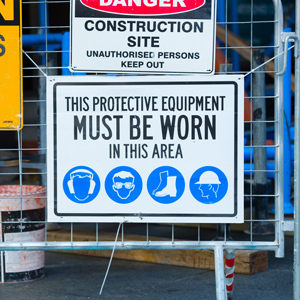
Walk onto a jobsite, into a warehouse or through a plant, and you’ll spot them right away. The Occupational Safety and Health Administration (OSHA) safety signs show up on doors, machines, aisles, ladders, eyewash stations and chemical storage areas.
Most days, people stop seeing them. Until the moment they matter.
How Fast Does a Sign Need to Work?
Sometimes you get one quick glance. The area is loud, and everyone’s moving. In that split second, a clear warning can stop a small mistake from turning into an injury.
Why Signs Are More Than Wall Decor
Safety signs do a few practical things at once:
- They point out hazards you can’t always see right away
- They remind people of required personal protective equipment (PPE), safe routes and restricted areas
- They create consistency so new hires, contractors and visitors aren’t guessing
In the next sections, you’ll learn how to make signs actually useful on a real worksite:
- Common OSHA-related signage types and what each one communicates
- Where they typically belong in construction, general industry and warehousing
- Simple placement tips that reduce confusion and “sign blindness”
- How training helps workers act on the message, not just read it
How To Choose the Right Sign for the Job
Before you order anything, make sure the sign matches the hazard and the decision you need a worker to make. Is it a hard stop, a heads-up or a reminder about required PPE?
A simple way to think about it is with three buckets:
- Danger signs for immediate hazards where special precautions are necessary
- Caution signs for potential hazards or unsafe practices
- Instructional notices for required actions like “Wear eye protection”
If your team argues about “warning vs. caution,” that’s a clue your hazard description is too vague.
Common “Almost Right” Mistakes That Create Risk
A lot of workplaces have signs that look professional but fail in practice. Have you seen any of these?
You can spot quick fixes by walking the route a new hire would take:
- Too many in one spot, so nothing stands out
- Generic messages like “Be Careful” with no specific hazard
- PPE signs posted after the exposure point instead of before it
- Faded, damaged or handwritten signs that blend into the background
Jobsite Scenarios Where It Matters Most
Some work changes by the hour, so your plan has to keep up. Think about traffic control, deliveries and short-term tasks.
These are high-payoff places to review signage:
- Loading docks and forklift travel lanes
- Confined spaces and permit-required entry points
- Temporary work zones where pedestrians and vehicles mix
For roadway and work-zone communication, the flagger role is a good example of “signs plus process.”
Keep Your Sign Program Working After the Install
It’s easy to hang signs once and forget them. But signs only help when they’re visible, readable and still relevant to the work happening today. When you treat safety signage as part of your daily operations, every day at work is more protected.
A quick monthly walk-through can catch the most common failures. Look for these issues:
- Signs blocked by pallets, parked equipment or stacked materials
- Faded colors from sun exposure or harsh cleaners
- Missing signs after a layout change or remodel
- Conflicting messages like “Hearing Protection Required” posted outside the hazard area
- Temporary hazards with no temporary signs
After you fix a signage problem, take 30 seconds to ask a simple question. Would a brand-new employee understand this without help?
OSHA Requirements and What Is Expected
OSHA’s general sign rules for accident prevention signs and tags show up in 29 CFR 1910.145, and safety color guidance appears in 29 CFR 1910.144. The big idea is consistency and legibility so workers can recognize hazards fast, even under stress.
When you’re reviewing, check for these basics:
- Clear signal word and hazard description
- A direct action statement that tells you what to do
- Readable size, contrast and placement where the decision happens
A sign behind a stacked pallet display is a sign that doesn’t exist. These three questions can help guide your team through compliance in the workplace.
1. Where Should We Buy Safety Signs?
Buy signs from a reputable industrial safety supplier or manufacturer that builds for your environment (UV, washdowns, chemicals) and can show the design follows OSHA’s sign and color rules in 29 CFR 1910.145 and 29 CFR 1910.144, plus 29 CFR 1926.200 for construction sites.
2. What Makes a Sign Compliant?
A sign is compliant when it uses the right words and colors, states the specific hazard, tells you the exact action to take and is sized and placed where the decision happens, not after the exposure point.
3. What’s Wrong with Just a “Nice-Looking” Sign?
A “nice-looking” sign often fails because it’s generic, too small, uses the wrong colors or won’t hold up long enough to stay readable. Many employers also follow ANSI Z535 layouts and symbols because they make the sign meaning more consistent across sites.
Training Makes OSHA Signs Make Sense
So, OSHA’s standards define when safety instruction signs are appropriate in general industry and what they must look like when used in construction, but the biggest gap is rarely the sign itself.
They work best when your team understands the why behind them. Training helps workers connect a warning to a hazard, a control and a safe decision.
Here’s a practical way to reinforce meaning during a toolbox talk:
- Point to one sign in the area
- Ask what hazard it’s tied to
- Ask what safe action is required right now
- Confirm the action, then watch it happen
Helpful Resources and Next Steps for OSHA Safety
If you want to tighten up your sign program and reduce confusion on the floor, OSHA Education Center can support you with training and practical tools. We offer OSHA-authorized Outreach training through the University of South Florida, plus specialized workplace safety training that supports common hazard controls.
Start with the option that fits your jobsite:
- OSHA-authorized Outreach training for 10-Hour
- OSHA-authorized Outreach training for 30-Hour Construction or General Industry
- Warehouse safety checklist to spot aisle, forklift, storage and egress sign problems
Start today, learn essential signs of unsafe practices and hazardous working conditions to prevent accidental injury and keep your worksite safe.