
Dig Smart, Stay Safe: Recognizing Excavation Site Dangers
Written by Staff Writer
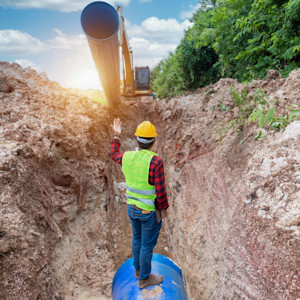
Excavation and trenching are essential to modern construction, but they also rank among the most hazardous types of work on a jobsite. More than 250 workers died in excavation-related trench collapses in the United States between 2013 and 2022, and that figure reflects only one category of danger associated with excavation work.
Tragically, many of these incidents were likely avoidable and usually trace back to failures in basic site protections and safety procedures. Without these in place, a site can change from routine to tragic in moments.
This guide covers the main excavation dangers and the controls you can use to reduce risk and keep your crew safe.
Cave-Ins and Trench Collapses
Deadly cave-ins happen so quickly that workers have little time to react. Collapsing soil can engulf or entrap workers and make breathing impossible.
Several conditions can increase the chance of a collapse, including:
- Unstable or previously disturbed soil
- Improper shoring
- Spoil piles placed too close to the edge
- Pressure from nearby mobile equipment or structures
- Water accumulation that weakens soil stability
- Vibration from traffic or equipment
Any of these conditions can destabilize a trench quickly, but there are several methods to stabilize trenches and avoid collapses.
Protective Systems That Reduce Collapse Risk
Protective systems are the main safeguard against cave-ins. The right choice for each job depends on the trench depth, soil conditions and the overall site setup.
- Sloping and benching are best for shallower cuts in stable soil.
- Hydraulic, pneumatic or timber shoring helps secure deeper trenches or areas with less stable ground.
- Trench boxes are designed to shield workers if a collapse occurs. They are heavy and difficult to reposition, but are helpfully modular.
OSHA requires protective systems in trenches that are five feet deep or more, unless the excavation is in stable rock. A competent person must inspect the area at least once each day, and again after rain, equipment vibration or any other event that could make conditions more dangerous.
Toxic Gases and Atmospheric Hazards
Excavations, especially those deeper than four feet or located near sewers, landfills, tanks or utility lines, may collect dangerous gases or develop low-oxygen conditions.
Atmospheric threats include:
- Hydrogen sulfide near sewers or decomposing organic material
- Methane near landfills or natural gas lines
- Carbon monoxide from nearby engines or equipment
- Oxygen-deficient air in confined spaces or poorly ventilated areas
Since many of these hazards have no smell or visible warning signs, workers may not realize the danger until they begin to feel physical effects. Once symptoms start, workers may not have enough time to get out safely.
How to Monitor and Control Air Hazards
OSHA requires atmospheric testing before workers enter excavations more than four feet deep when a hazardous atmosphere could reasonably be expected. That includes areas where toxic gases, flammable vapors or oxygen deficiency may be present.
In addition to OSHA requirements, consider implementing these safety guardrails:
- Gas monitoring to check oxygen levels and for toxic or flammable gases
- Mechanical ventilation to improve air circulation and maintain safe conditions
- Source control, such as moving engine exhaust away from openings
- Respiratory protection when engineering controls don’t fully remove the risk
Where air hazards may be present, rescue and retrieval equipment should also be available. Crews should follow an emergency plan that accounts for rapid evacuation and trained response by qualified rescue personnel.
Falling Loads and Materials
Workers inside a trench also face serious risks from above. Objects, debris and suspended loads may fall into the opening and strike or bury workers below.
Common falling load risks include:
- Excavator buckets or attachments swinging over an open trench
- Unattended tools, uncontrolled machinery or even careless pedestrians on the surface
- Materials stored near the opening
A single dropped tool or shifting spoil pile can cause a serious injury, which makes prevention critical around every open trench.
How to Control Falling Material Risks
OSHA requires excavated material and equipment to be kept at least two feet from the trench edge. Where that distance cannot be maintained, a retaining device must be used to prevent materials from sliding or rolling into the excavation.
- You can take additional steps to protect your crew:
- Establish exclusion zones above trenches during lifting operations.
- Install barricades and guardrails around openings.
- Maintain strict communication protocols between equipment operators and spotters.
Personal protective equipment (PPE), such as hard hats and high-visibility vests, should also be worn when required. However, PPE should not be treated as the primary safeguard. The best form of protection is to prevent objects from entering the excavation in the first place.
Struck-By/Caught-Between Incidents
Heavy equipment is a mainstay on jobsites, but working with and around them can be dangerous if precautions aren’t taken. Rolling machines, including excavators, front-end loaders and dump trucks, can strike workers on the foot or pin them between moving parts and fixed surfaces.
Common heavy equipment-related risks include:
- Equipment backing up with limited visibility near the trench
- Workers walking between equipment and the excavation wall
- Personnel entering a machine’s swing radius without the operator seeing them
Just one moment of poor visibility or a wrong step near moving equipment can have life-threatening consequences.
Controlling Movement Around Heavy Equipment
To avoid machine hazards during trenching operations, take steps to secure the site by:
- Setting designated travel paths for equipment.
- Using trained spotters or flaggers when operators have limited visibility.
- Establishing clear hand signals or radio communication.
- Marking swing radius areas.
OSHA expects excavation equipment to be operated only by trained and authorized workers. Machines should also be inspected regularly and operated so they do not put workers in or near the excavation at greater risk.
Underground and Overhead Utilities
Striking buried utility infrastructure can have catastrophic and far-reaching consequences. Hitting a gas line can start a fire or trigger an explosion. Momentary contact with an electrical line can electrocute or even kill a worker instantly. A damaged water main can flood the site and cut off service to the surrounding area.
Before digging begins, crews should take these steps:
- Review utility maps and available site records.
- Contact 811 or the local Call Before You Dig service.
- Wait for utility owners to locate and mark underground lines.
- Use additional locating methods when site conditions require them.
Because the consequences of a utility strike can extend well beyond the excavation, carefully marking all utility locations should be a required step before digging starts.
Additional Practices to Avoid Utility Strikes
Once utilities have been identified, extra care is still needed. Hand digging or vacuum excavation may be required within the tolerance zone to avoid damaging buried services. Heavy equipment should not be used directly over known utility lines unless the work has been properly planned for those conditions.
For overhead power lines, maintain minimum approach distances, use spotters and consider de-energizing or relocating lines for long-duration projects. These precautions apply to all workers involved with excavation operations near electrical infrastructure.
Rescue Plans and Emergency Response
Even well-managed excavation work can go wrong, which is why having a structured system prepared in case of an emergency is part of running a compliant worksite.
Every jobsite should have a written rescue plan that clearly explains how the team will respond to incidents. That plan should cover:
- How to raise the alarm
- Who contacts emergency services
- What equipment is available on site
- Who is trained to use rescue equipment
Untrained coworkers should never rush into an unstable trench to try a rescue on their own. That reaction is understandable, but it can actually lead to more injuries or deaths.
The safer response is to secure the area, keep others out, control any immediate hazards and wait for trained rescue personnel.
Training and Regulatory Compliance
Safe excavation work starts well before the first bucket hits the ground. Planning, staffing and supervision have direct effects on site safety. When crews move forward without a clear plan, small issues can spiral into serious hazards.
OSHA requirements give employers and crews a common standard for managing excavation work. When those expectations are understood and followed, teams are better positioned to work safely and reduce preventable mistakes.
Ongoing education helps turn standards into day-to-day habits. OSHA Education Center offers courses such as Excavation and Trenching Competent Person Training and Excavator Operator Training. Online education can help workers and supervisors build practical skills and support safer excavation work across every jobsite through flexible, user-friendly instruction designed for the busy professional.