
Engulfment Risks: OSHA Safety Measures and Rescue Procedures You Need to Know
Written by Staff Writer
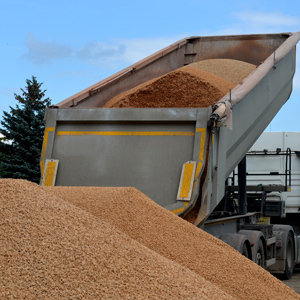
Picture a normal task: You’re pulling product from a hopper or leveling grain in a bin. Then the material shifts. You lose footing and can’t breathe or move.
That’s an engulfment hazard. OSHA defines engulfment as a situation where liquid or flowable solids, such as grain, sand or sawdust, surround and trap a worker, potentially causing suffocation or crushing pressure on the chest.
Engulfment is scary for one reason. It doesn’t give you time to power through. If you’re thinking, “I’m only in there for a minute,” that’s exactly the mindset that leads to fatal engulfment incidents. Beginning to see why it's important to take this seriously?
What This Guide Covers
We’ll keep this practical. You’ll learn what engulfment looks like on real sites, how it overlaps with entrapment, and the controls that make the biggest difference. You’ll also see how and where these risks show up in confined spaces.
Where These Incidents Happen Most
Engulfment shows up in more places than most crews expect. You’ll typically see it around stored materials that can flow, shift or “bridge” over an open void.
Some common examples include:
- Grain bins and silos
- Hoppers, chutes and baghouses
- Pits or sumps with water, slurry or mud
These hazards show up in agriculture, manufacturing, construction and waste handling — but the OSHA rules that apply depend on the industry and the task.
A Quick Safety Check
Before anyone enters, pause and run a simple mental scan:
- Is there loose material that could shift, avalanche or collapse?
- Could a crusted surface hide a void underneath?
- Could a valve, auger or conveyor restart and pull material toward you?
If any answer is yes, treat it like a high-consequence entry and tighten the controls.
How Engulfment Starts in Real Life
Most engulfment incidents begin with a small change that doesn’t feel dangerous:
- A valve opens
- A conveyor restarts
- A crusted surface collapses
- Material that looked stable starts acting like water
Ask yourself a blunt question: If the product suddenly moved, would you have a way out in two seconds?
Confined Space Hazards: Engulfment vs Entrapment
Engulfment is being surrounded and trapped by liquid or flowable solid, often leading to suffocation or crushing pressure. Entrapment is broader. It includes being squeezed, caught or pinned by converging walls, sloping floors or moving parts.
You often see both in one entry:
- Grain pulls you down, and the bin wall keeps you from moving
- Slurry rises, and a narrow hatch limits escape
- A screw auger draws material toward you, and you can’t reach the ladder
Controls That Prevent Engulfment and Hazardous Atmosphere Emergencies
The best controls remove the conditions that let material move toward a worker. That usually means isolating energy and stopping flow.
Start with these practical steps:
- Stop the feed and verify it’s stopped
- Lockout and tagout all mechanical and hydraulic energy that could move material
- Block, bleed and secure valves, gates, and lines that could release product
- Prohibit walking on bridged material, and use tools or methods that keep you out of the hazard zone
Then add administrative controls that catch mistakes before they hurt someone:
- Clear roles, including an attendant and entry supervisor when required
- Pre-entry hazard evaluation and air monitoring when applicable
- A communication strategy that works with noise, personal protective equipment (PPE) and distance
Confined Space Rules that Commonly Apply
Engulfment is one of the common hazards that can make a space permit-required under OSHA’s general industry rule 29 CFR 1910.146. Construction crews should also know the confined spaces in construction standard in 29 CFR 1926 Subpart AA.
Plan for Rescue Before You Enter
Calling 911 may still be part of the response, but OSHA expects employers to arrange for and evaluate rescue capability in advance. Posting a number and hoping for the best isn’t compliant rescue planning.
Your rescue approach should cover:
- How you’ll retrieve a worker without sending another person into the hazard
- What equipment is staged and inspected
- Who is trained to perform entry rescue if it’s needed
A Risk Assessment You Can Use
Before anyone climbs into a bin, hopper, tank or pit, take two minutes and pressure test the plan. Is the job truly necessary to do from inside, or can you clear the blockage from outside the space?
A simple engulfment-focused check looks like this:
- Identify the material and how it behaves when disturbed, including bridging, crusting and sudden flow
- Confirm isolation of every source that can add or move material, including gravity discharge, augers, conveyors and pneumatic lines
- Decide whether the space is permit-required based on all applicable hazards — including engulfment potential, atmospheric hazards, internal configuration that could asphyxiate and any other recognized serious hazards.
- Verify the rescue approach, including how you will retrieve a worker without sending another person in
- Document the steps, communicate them and stop work if conditions change
Emergency Response
Engulfment incidents escalate fast. The most dangerous plan is a panicked coworker climbing in after someone. Your confined space response plan should answer a few basics:
- Who calls 911, and what location details are posted at the entry point
- What retrieval equipment is staged and ready, not locked in a gang box
- How you’ll attempt non-entry rescue first
- When rescue is allowed, and who is qualified to do it
Training that Actually Supports Safer Entries
Written procedures only work when everyone understands them. Training helps crews recognize early warning signs, follow entry roles and avoid improvising when a situation turns.
If confined space hazards are part of your work, explore confined space safety training courses for role-based learning that fits both workers and supervisors.
For a deeper look at hazard evaluation and documentation, you can review the permit-required confined space certificate course. If the hazards are limited and controlled, the non-permit confined space hazard training page can help you think through the differences.
Engulfment dangers are preventable when you plan the entry, control the material and practice the rescue steps you’re counting on. Start with the right resources today, and keep the next confined space job from turning into an emergency.