
Understanding Hydrogen Sulfide Hazards and Essential Workplace Safety Practices
Written by Staff Writer
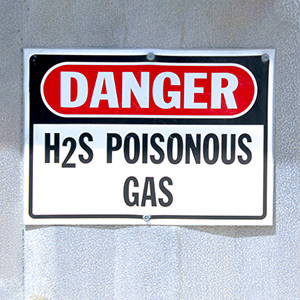
This page provides information about the H2S class, which delivers awareness training to help individuals identify the risks linked to exposure to this hazardous chemical. Participants will learn to identify potential sources, such as confined spaces and decomposing organic matter, while gaining an understanding of immediate dangers like breathing difficulties and loss of consciousness.
Additionally, various flexible course options are available to assist individuals in conveniently earning their credentials.
Significance and Objectives of Classes on H2S
These classes are designed to educate workers about the dangers of hydrogen sulfide, a highly toxic gas that can lead to severe health consequences or even fatalities if proper precautions are not taken.
This includes understanding the physical properties of H2S, such as its flammability and tendency to accumulate in low-lying areas, which can create dangerous environments. Training also emphasizes the importance of using personal protective equipment (PPE) correctly, ensuring that workers are prepared to handle potential exposure effectively.
Moreover, H2S certification is often a requirement in industries where exposure risks are prevalent, such as oil and gas, wastewater treatment and mining. Completing an H2S certification course not only enhances individual safety but also contributes to a culture of safety within organizations. By fostering awareness and preparedness, these classes help prevent accidents and save lives.
In summary, H2S classes are vital for ensuring that workers are informed about the risks associated with hydrogen sulfide and are trained in the necessary safety protocols. This training ultimately protects not only the individuals involved but also their colleagues and the broader community.
Common Formats for Training on H2S Include Awareness and Alive
To effectively address the dangers of hydrogen sulfide, various training formats are available, primarily focusing on Awareness and H2S Alive courses. These formats cater to different learning needs and workplace scenarios, ensuring that all employees are adequately prepared to handle this hazardous gas.
This training is intended for individuals who might come across H2S in their environment but are not directly engaged in tasks with exposure risk. It focuses on recognizing potential H2S sources and understanding the related chemical exposure risk.
Key topics cover the physical properties of H2S, proper safety measures and emergency response procedures. This essential information benefits those in sectors like oil and gas, wastewater treatment or agriculture.
On the other hand, the H2S Alive training is more intensive and hands-on, designed for those potentially exposed to H2S. It includes advanced topics like proper use of PPE, rescue techniques and real-life scenarios involving H2S leaks.
Participants take part in practical exercises, such as using sealed masks and practicing rescue operations, essential for safety in high-risk settings. An H2S Alive session usually costs between $150 and $250 and involves 8 hours of hands-on instruction.
Both formats are essential for fostering a culture of safety and preparedness in workplaces where hydrogen sulfide is a potential hazard. By understanding the differences between these courses, employers can better select the appropriate training for their teams, ultimately enhancing workplace safety and compliance.
Industries That Commonly Need Training for H2S
Understanding the specific industries that require H2S training is crucial for ensuring that workers are adequately prepared for potential exposure to this hazardous gas. Various sectors face unique risks associated with hydrogen sulfide, necessitating tailored safety training.
Industry | Typical Roles | Training Focus | Cost Range | Frequency of Training |
Oil and Gas | Drillers, Engineers, Safety Officers | Hazard recognition, PPE use, emergency response | $150 - $300 | Annual or as needed |
Wastewater Treatment | Operators, Maintenance Workers | Gas detection, rescue techniques, safety protocols | $100 - $250 | Annual |
Miners, Supervisors | Exposure risks, ventilation systems, emergency procedures | $150 - $300 | Every 2 years | |
Agriculture | Farm Workers, Equipment Operators | Identifying H2S sources, PPE training | $100 - $200 | Every 3 years |
Chemical Manufacturing | Technicians, Safety Managers | Process safety, hazard communication, emergency response | $150 - $300 | Annual |
Each of these industries faces distinct challenges related to H2S exposure, making specialized safety training essential. By understanding the specific needs of their workforce, employers can ensure compliance with safety regulations and protect their employees effectively.
Understanding the Differences Between H2S Awareness, H2S Alive and Train-the-Trainer Courses
Building on the importance of tailored training, it's essential to understand the differences between H2S Awareness, H2S Alive and Train-the-Trainer courses. Each course serves a unique purpose and targets specific audiences within industries where hydrogen sulfide (H2S) poses a chemical exposure risk.
The H2S Awareness training is intended for those who might come across H2S but are not actively engaged in tasks with high exposure risk. It emphasizes recognizing dangers, understanding H2S characteristics and applying fundamental precautions. Attendees learn to spot possible H2S sources and related risks, making it relevant for personnel in industries like oil, gas and farming.
In contrast, the training called H2S Alive is more intensive and hands-on, aimed at workers who may be directly exposed to H2S. This program covers advanced topics such as the proper use of personal protective equipment (PPE), rescue techniques and emergency response protocols.
Participants engage in practical exercises, including mock rescue scenarios, which are crucial for ensuring safety in high-risk environments. This particular training usually costs between $150 and $250 and requires 8 hours of hands-on instruction.
Lastly, the Train-the-Trainer program is intended for those who will instruct others on hydrogen sulfide gas precautions. It provides trainers with the skills needed to effectively share essential information and safe practices, ensuring the entire organization is informed.
Recognizing these differences helps employers choose the right instruction for their teams, improving overall protection and compliance.
Chemical Properties and Hazards of Hydrogen Sulfide
Understanding the chemical properties and hazards of hydrogen sulfide (H2S) is essential for effective safety training. H2S is a colorless, flammable gas with a characteristic rotten egg odor, which can quickly become undetectable due to olfactory fatigue at higher concentrations. This makes it a significant respiratory hazard, as workers may not realize they are in danger until it is too late.
H2S is heavier than air, allowing it to accumulate in low-lying areas and confined spaces, increasing the risk of exposure in environments such as oil and gas facilities, wastewater treatment plants and mining operations.
Exposure to even low concentrations can lead to serious health effects, including irritation of the eyes, nose, throat or respiratory system, while moderate concentrations may lead to more severe eye irritation, difficulty breathing, headaches, dizziness, nausea, coughing and vomiting and high concentrations can rapidly result in shock, convulsions, inability to breathe, coma or death. The gas is also corrosive, posing risks to equipment and infrastructure, which can be a cause of industrial accidents.
To mitigate these hazards, proper personal protective equipment (PPE) usage is critical. Workers must be trained to use appropriate respirators and protective clothing, ensuring they are equipped to handle potential exposure effectively. Training programs emphasize the importance of recognizing H2S properties, understanding the risks associated with exposure and implementing safety measures to protect themselves and their colleagues.
In summary, a thorough understanding of the chemical properties and hazards of hydrogen sulfide is vital for ensuring workplace safety. By equipping workers with this knowledge, organizations can foster a culture of safety and preparedness, ultimately reducing the risk of accidents and health issues related to H2S exposure.