
How OSHA Standards Prevent Workplace Injuries by Blocking Hazards from Moving Parts
Written by Staff Writer
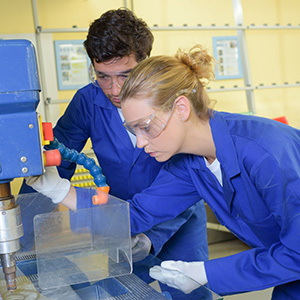
Moving machinery can cause serious injuries in seconds. Guards and safety devices keep workers away from blades, gears, belts and other dangerous moving parts while helping employers meet OSHA rules.
Types of Guards and Safety Devices for Enhanced Protection
These are the types of effective safety guards that help keep worksites and employees protected:
1. Fixed Guards
These permanent covers block access to hazardous parts of equipment. They stay in place and suit tools that don’t need frequent changes. For example, a fixed guard on a saw effectively blocks contact with the blade, meeting safety requirements.
2. Interlocked Guards
These include a mechanism that stops operation when opened or removed. This is important for tools needing upkeep or adjustments, as it stops accidental startup.
For instance, an interlocked guard on a conveyor stops moving parts unless the equipment is powered down first. They are designed so that opening the guard automatically cuts power and halts motion.
3. Adjustable Guards
These can be changed to fit different sizes of materials entering the equipment. They modify openings based on the stock being processed, offering flexibility while maintaining protection.
An example is a self-adjusting guard on a stamping press that fits various sheet sizes, keeping employees protected.
4. Additional Safety Devices
Beyond traditional covers, devices like light curtains, safety fencing and automated doors improve protection by detecting personnel and stopping operation before contact. These are especially useful in high-risk areas where quick response is vital.
Importance of Safeguarding at Points of Operation and Power Components
This page is dedicated to understanding machine guarding and its significance in ensuring workplace safety, as it prevents workplace injuries by protecting workers from the most dangerous areas of machinery where hazards are most prevalent.
At the point of operation, where the actual work is performed, the risk of injury is highest. For example, in a metal stamping operation, the point of operation is where the metal is shaped or cut.
Additionally, power components, such as gears and pulleys, can present significant hazards if not properly safeguarded.
Fixed Guards: Permanent Barriers for Enhanced Safety
Fixed guards are designed to be securely installed and remain in place, making them ideal for machines that do not require frequent adjustments. This type of guard is particularly beneficial in environments where consistent operation is necessary, as it eliminates the temptation to bypass safety measures for convenience.
To maintain the effectiveness of fixed guards, regular maintenance and inspections are crucial.
OSHA Regulations and Their Impact on Standards for Guarding Machinery
Aspect | OSHA Standards | Industry Practices |
Compliance Requirements | Mandatory following of specific protective guidelines | Varies by company; may lack consistency |
Scope of Coverage | Includes all devices with moving parts | Often limited to high-risk devices |
Implementation Timeline | Immediate adherence required upon setup | May be introduced gradually |
Cost Implications | Possible penalties for non-adherence | Costs vary; may include operator instruction and tools |
Risk Management | Focus on reducing risk of entanglement | May prioritize productivity over protection |
Understanding these regulations is crucial for businesses to avoid legal liabilities and ensure a safe working environment. Regular audits and risk assessments can help maintain compliance and enhance overall safety practices.
Safety Devices That Detect Presence and Stop Machines
Common types of safety devices include:
Light Curtains
These invisible beams create a protective zone around moving parts. If the beam is interrupted by an object or person, the machine stops immediately, helping to prevent accidents.
For example, in a packaging plant, light curtains help protect operators near fast-moving conveyors. If a light curtain's beam is broken by an object or person, the machine motion will stop until the curtain is unbroken.
Safety Mats
Placed around moving parts, these mats use pressure-sensitive technology. Stepping on them triggers an emergency stop, helping to protect workers during use or servicing.
Presence Sensing Devices
Using ultrasonic or infrared sensors, these devices detect when someone is too close to risky areas. If a person approaches, the machine halts, providing an additional protective measure.
It's crucial to integrate lockout/tagout procedures when performing maintenance on machines equipped with these devices, ensuring that they are properly disabled to prevent accidental startup.
In summary, safety devices that detect presence and stop machines are indispensable for maintaining a safe working environment.
Overcoming Practical Challenges: Ensuring Guards Are Secure Yet User-Friendly
Striking this balance is crucial for maintaining safety while promoting operational efficiency.
This often occurs when guards are perceived as cumbersome or obstructive during routine tasks.
For instance, adjustable guards can be designed to accommodate various materials while ensuring that safety is not compromised.
Implementing a schedule for these checks can help identify any issues that may hinder usability, allowing for timely adjustments.
Additional Guidance for Specific Machinery and Industries
Implementing robust fixed guards around these areas is crucial to prevent accidental contact. Additionally, regular risk assessments should be conducted to identify specific hazards associated with each machine type, ensuring that appropriate safeguards are in place.
In the food processing industry, where machinery often involves cutting or slicing, adjustable guards can be particularly beneficial. These guards can be modified to accommodate various sizes of products while maintaining safety.